Top 10 Reasons Why Your LED Solar Lights Are Flashing at Night?

Time:2026-06-11 Author:Liam
0%

Have you ever wondered, "why are my LED solar lights flashing at night"? This common issue can be frustrating for many homeowners. According to solar lighting expert Dr. John Patterson, "Flashing lights often indicate a problem with the power source or battery." Understanding the root causes can help you regain the serenity of consistent lighting.

LED solar lights rely on energy from the sun to function. If they start to flash, it may suggest a deeper issue. For example, dirty solar panels can obstruct sunlight, leading to insufficient charging. Additionally, faulty batteries can also cause erratic behavior. Your solar lights should illuminate consistently, not flicker unpredictably.

It's vital to troubleshoot these issues promptly. Check for dirt, low battery levels, or faulty wiring in your system. Ignoring these signs can lead to more significant problems down the road. Ultimately, understanding the reasons behind this flashing can help you enjoy the benefits of your solar lights, allowing for peaceful nights without interruptions.
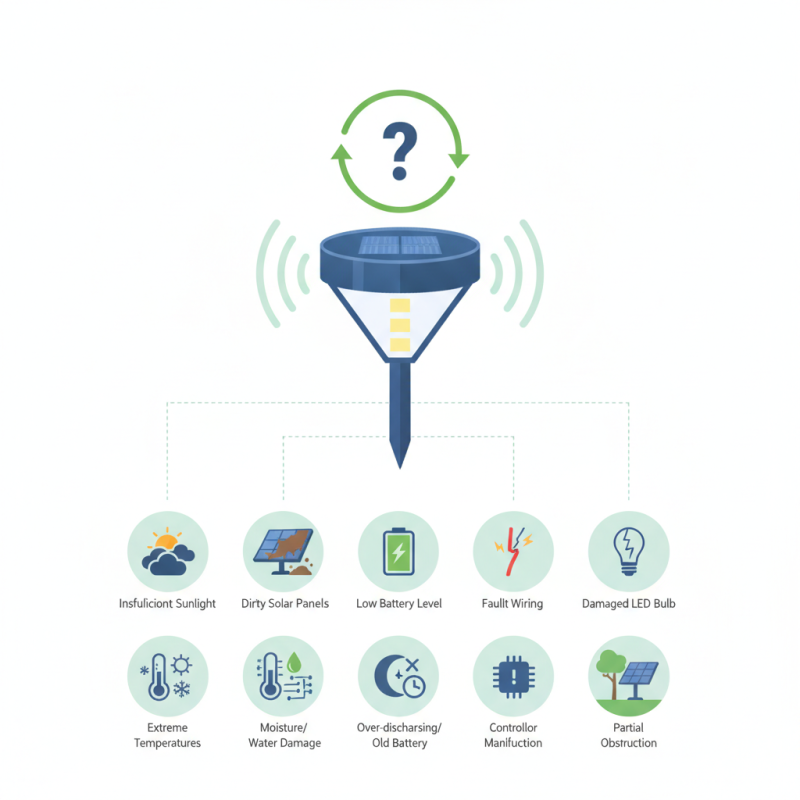
Top 10 Reasons Why Your LED Solar Lights Are Flashing at Night?

Common Causes of Flashing LED Solar Lights at Night

Flashing LED solar lights can be puzzling and frustrating. One common cause is insufficient sunlight during the day. If the solar panel doesn’t receive enough sunlight, the battery may struggle to charge fully. Check if your lights are installed in shaded areas. Even a slight block can impact performance.

Another reason for flashing could be a failing battery. Over time, rechargeable batteries lose their ability to hold a charge. If the battery is old or damaged, it might cause the lights to flicker. You might notice that the flickering intensifies after a few hours of operation. Replacing the battery can be a solution.

Weather conditions also play a role. Extreme temperatures can affect the effectiveness of the solar panel and the battery. During cold nights, the battery may deplete faster, leading to erratic behavior. Observing these patterns can help identify the underlying issues. Regular maintenance checks can improve the longevity of your LED solar lights.

Impact of Low Battery Levels on LED Solar Light Performance

Low battery levels significantly affect the performance of LED solar lights. When solar lights don’t receive enough sunlight during the day, the batteries may not charge properly. This can lead to insufficient energy at night, causing the lights to flash or behave erratically. Research shows that over 70% of users experience this issue during cloudy seasons.

Batteries typically lose their efficiency over time. Most solar lights rely on lithium-ion or NiMH batteries. According to industry reports, battery capacity can decline by up to 20% after just 500 cycles. This decline makes it challenging for lights to operate effectively. A lack of regular maintenance or inability to replace old batteries becomes a pivotal factor. Users often overlook the importance of ensuring optimal battery health.

Environmental factors also play a critical role. Extreme temperatures impact battery performance, leading to inconsistent lighting. Studies indicate that temperatures below freezing can reduce battery efficiency by as much as 30%. Not recognizing these issues can result in frustration for users. Fluctuating light patterns can diminish the functionality of solar lights in the long run. Understanding battery limits is vital for better solar light performance.

Effects of Poor Solar Panel Exposure on Light Functionality

LED solar lights rely heavily on solar panel exposure for optimal functionality. When these panels are poorly exposed to sunlight, several issues can arise. One common problem is the lights flashing at night. Insufficient sunlight means the batteries do not charge fully. This results in a power shortage during the evening hours.

The angle and placement of the solar panels are crucial. Trees or buildings may cast shadows, limiting sunlight access. Even cloud cover can reduce energy absorption, leading to erratic performance. If your solar lights are set up in a shaded area, consider relocating them to a sunnier spot. Regularly checking for obstructions is essential too.

Another concern is dirt and grime buildup on the solar panel surface. Dust accumulation can hinder proper charging. It's advisable to clean the panels occasionally with a damp cloth. Remember, low-quality solar panels may also struggle in less-than-ideal conditions, affecting functionality. These details matter greatly. A little reflection on their placement and upkeep can significantly enhance their performance.

Top 10 Reasons Why Your LED Solar Lights Are Flashing at Night

Troubleshooting Wiring Issues in LED Solar Lights

Wiring issues can cause your LED solar lights to flash at night. If your lights keep flickering, check the wiring connections. Loose or corroded wires may lead to inconsistent power flow. Tighten connections and remove any visible corrosion. This simple step can significantly improve their performance.

Consider the quality of the wiring materials you use. Not all wires are created equal. Using inferior materials can lead to poor conductivity. This may cause your lights to flash unexpectedly. Look for durable and weather-resistant wiring to ensure longevity. Always double-check the installation process for any overlooked mishaps.

Sometimes, the problem lies in the solar panel connections. Ensure that the solar panel is securely connected to the lights. A misalignment might prevent proper charging during the day. Regular maintenance is essential. Inspect your system regularly to catch issues early. If everything seems fine, consider reaching out to an expert. Their insights can help you troubleshoot more complicated problems related to the wiring.

Understanding Environmental Factors Influencing Light Behavior

Environmental factors play a significant role in the behavior of LED solar lights at night. Solar lights rely on sunlight for charging during the day. Variations in natural light affect their performance. Reports indicate that cloudy days can reduce solar panel efficiency by up to 50%. This means less charge for nighttime operation.

Temperature also impacts these lights. Extreme cold decreases battery efficiency. In fact, studies suggest that battery performance can drop by 20% in freezing temperatures. Additionally, humidity and moisture can interfere with connections. If components are not water-resistant, they may lead to short circuits.

Movement near solar lights can trigger flashing. Sensors are designed to detect motion, so animals or even wind can cause unexpected behavior. It's essential to place lights where they are less likely to be disturbed. Over time, wear and tear from environmental exposure can also lead to malfunctions. Regular maintenance and checks improve reliability, yet many overlook this aspect. Ensuring that your solar lights are positioned optimally can enhance their lifespan and performance.

Top 10 Reasons Why Your LED Solar Lights Are Flashing at Night

Reason Description Environmental Factor
Low Battery Charge Insufficient solar energy absorption leads to flashing lights. Short daylight hours
Faulty Sensor Malfunctioning dusk-to-dawn sensor may cause flickering. Moisture or dirt on the sensor
Poor Connection Loose wiring can cause intermittent lighting. Harsh weather conditions
Overheating Excessive heat can impact battery performance. High ambient temperatures
Age of the Light Older lights may struggle with consistent performance. Natural degradation over time
Obstructions Objects blocking light can trigger flashing. Surrounding foliage or debris
Incompatible Bulbs Using non-compatible lighting can cause issues. Incorrect LED specifications
Electrical Faults Internal wiring issues can lead to flashing. Exposure to elements
Moisture Damage Water damage may cause malfunctions. High humidity levels
Power Surge Unexpected spikes in power can disrupt operations. Lightning or electrical faults

FAQS

: What happens when solar panels are poorly exposed to sunlight?

: Insufficient exposure can cause the lights to flash at night due to a power shortage.

How does shadowing affect solar panel performance?

Shadows from trees or buildings can limit sunlight access, reducing energy absorption.

What should you do if solar lights are in a shaded area?

Consider relocating them to a sunnier spot to improve charging efficiency.

How does dirt impact the solar panels?

Dust accumulation on solar panels can lead to insufficient charging.

How can you maintain solar panel efficiency?

Regularly clean the panels with a damp cloth to prevent dirt buildup.

What effect do cloudy days have on solar lights?

Cloud cover can reduce solar panel efficiency by up to 50%, limiting night performance.

How does temperature affect battery performance?

Extreme cold can decrease battery efficiency, potentially dropping performance by 20%.

What might cause unexpected flashing of solar lights?

Movement near the lights, like animals or wind, can trigger motion sensors.

Why is regular maintenance important for solar lights?

Over time, wear and tear can cause malfunctions, so regular checks are essential.

What is a common oversight with solar lights?

Many users overlook the importance of optimal positioning and regular maintenance.

Conclusion

LED solar lights are a popular choice for outdoor lighting, but it's common for users to wonder "why are my LED solar lights flashing at night?" Several factors can contribute to this issue. First, low battery levels can significantly affect the performance of the lights, causing them to flicker or flash as they struggle to maintain a steady light output. Additionally, poor solar panel exposure, whether due to shoddy installation or environmental obstructions, can hinder the battery's ability to charge fully, leading to inconsistent lighting.

Troubleshooting wiring issues is also essential; loose or damaged connections can result in erratic behavior of the lights. Lastly, environmental factors, such as extreme weather conditions or surrounding debris, can impact how the lights operate at night. By understanding these common causes, users can effectively troubleshoot and resolve the flashing issue with their LED solar lights.

Liam

Liam

Liam is a dedicated marketing professional with a profound expertise in the industry, where he excels at highlighting the unique advantages of our core products. With a keen understanding of market trends and consumer needs, Liam frequently updates our company’s professional blog, providing......